

When it comes to woodworking and construction projects, choosing the right type of screw is crucial for ensuring the structural integrity and longevity of the finished product. Two common types of screws used in wood applications are lag screws and regular wood screws. As a wood screw supplier, I often get asked about the strength differences between these two types of screws. In this blog post, I'll delve into the characteristics of lag screws and regular wood screws, compare their strength, and discuss the factors that influence their performance.
Understanding Lag Screws and Regular Wood Screws
Lag Screws
Lag screws, also known as lag bolts, are heavy-duty fasteners designed for applications that require high strength and stability. They typically have a thick, coarse thread that allows them to bite deeply into wood, providing a strong hold. Lag screws are usually larger in diameter and longer than regular wood screws, and they often require a pre-drilled pilot hole. The head of a lag screw is typically hexagonal, which allows it to be tightened using a wrench or socket. Eye Lag Screw is a type of lag screw with an eyelet at the end, which can be used for hanging objects or attaching cables.
Regular Wood Screws
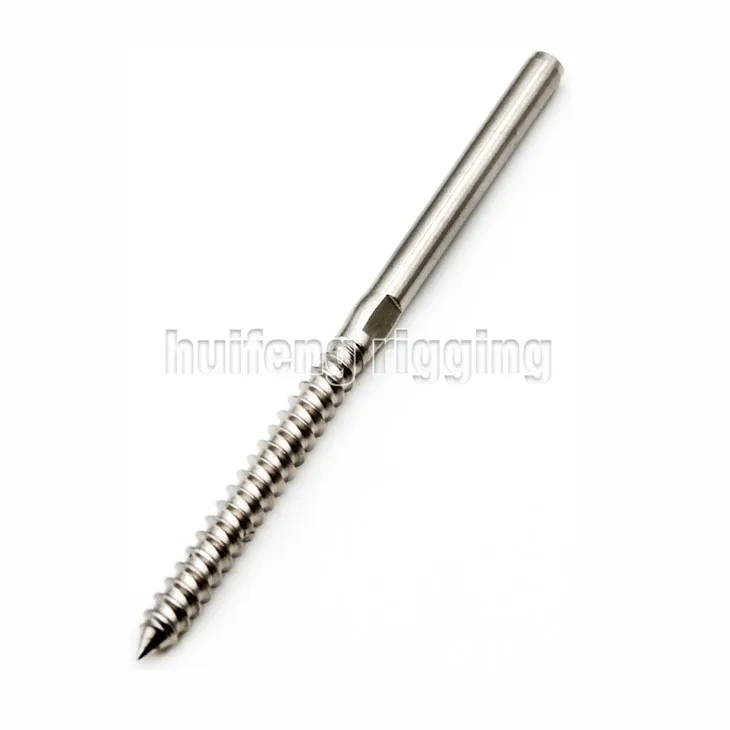
Regular wood screws are the most commonly used type of screw in woodworking projects. They have a finer thread than lag screws, which makes them easier to drive into wood without the need for a pre-drilled pilot hole in most cases. Regular wood screws come in a variety of sizes and head styles, including flat head, round head, and pan head. They are typically used for lighter-duty applications, such as joining thin pieces of wood or attaching trim. Swage Stud With Dowel Screw and Threaded Dowel Screw are examples of specialized regular wood screws.
Strength Comparison
Shear Strength
Shear strength refers to the ability of a screw to resist forces that act parallel to its axis. In general, lag screws have a higher shear strength than regular wood screws. This is because of their larger diameter and coarse thread, which provide a greater surface area for the screw to grip the wood. When subjected to shear forces, lag screws are less likely to pull out or break compared to regular wood screws. For example, in a structural application where two pieces of wood are joined together and subjected to lateral forces, such as in a deck or a frame, lag screws would be a better choice to ensure the joint can withstand the load.
Tensile Strength
Tensile strength is the ability of a screw to resist forces that act to pull it out of the wood. Again, lag screws typically have a higher tensile strength than regular wood screws. The coarse thread of lag screws allows them to penetrate deeper into the wood and create a stronger bond. This makes them ideal for applications where the screw needs to hold a heavy load in tension, such as in a hanging shelf or a support beam. Regular wood screws, on the other hand, may not be able to provide the same level of tensile strength, especially in larger or heavier applications.
Factors Affecting Strength
Wood Type
The type of wood used can have a significant impact on the strength of both lag screws and regular wood screws. Hardwoods, such as oak and maple, are denser and stronger than softwoods, such as pine and cedar. When using screws in hardwoods, they are more likely to grip the wood tightly and provide a stronger hold. However, in some cases, the hardness of the wood may also make it more difficult to drive the screw in, especially regular wood screws. In softwoods, screws may not grip as tightly, but they are generally easier to install.
Screw Size
The size of the screw also plays a crucial role in determining its strength. Larger diameter screws, whether lag screws or regular wood screws, generally have higher strength than smaller ones. This is because they have a greater cross-sectional area and more surface area to grip the wood. Additionally, longer screws can provide a stronger hold as they penetrate deeper into the wood. However, it's important to choose the right size screw for the application to avoid over-tightening or splitting the wood.
Installation Method
Proper installation is essential for maximizing the strength of both lag screws and regular wood screws. For lag screws, it's important to drill a pilot hole of the appropriate size to prevent the wood from splitting. The pilot hole should be slightly smaller than the diameter of the screw's shank. When driving the lag screw, it should be tightened evenly using a wrench or socket to ensure a secure fit. For regular wood screws, while they can often be driven directly into the wood without a pilot hole, it's still a good idea to use one in harder woods or when working with thinner pieces of wood to prevent splitting.

Applications
When to Use Lag Screws
Lag screws are best suited for heavy-duty applications where high strength and stability are required. Some common applications include:
- Building decks and porches: Lag screws are used to attach joists to beams and to secure railing posts.
- Constructing frames and structures: They are used to join large pieces of wood together in buildings, sheds, and fences.
- Installing heavy fixtures: Lag screws can be used to hang heavy objects, such as ceiling fans or large mirrors.
When to Use Regular Wood Screws
Regular wood screws are ideal for lighter-duty applications, such as:
- Cabinet making: They are used to assemble cabinets, drawers, and doors.
- Trim work: Regular wood screws are used to attach baseboards, crown molding, and other trim pieces.
- DIY projects: For small-scale woodworking projects, such as building a birdhouse or a bookshelf, regular wood screws are often sufficient.
Conclusion
In conclusion, lag screws are generally stronger than regular wood screws in terms of both shear strength and tensile strength. Their larger size, coarse thread, and ability to penetrate deeper into the wood make them suitable for heavy-duty applications where high strength and stability are required. Regular wood screws, on the other hand, are more versatile and easier to install, making them a popular choice for lighter-duty woodworking projects. As a wood screw supplier, I understand the importance of choosing the right screw for the job. Whether you need lag screws for a large construction project or regular wood screws for a small DIY task, I can provide you with high-quality products that meet your needs. If you have any questions or would like to discuss your screw requirements, please feel free to contact me for a detailed consultation and procurement discussion.
References
- "Wood Screws: A Comprehensive Guide" by Woodworking Magazine
- "Fasteners for Wood Construction" by the American Wood Council