

When it comes to fastening materials, screws are indispensable tools. Among the wide variety of screws available, wood screws and machine screws are two commonly used types, each with distinct characteristics and applications. As a seasoned wood screw supplier, I've had the opportunity to work closely with these fasteners and understand their differences in depth. In this blog post, I'll delve into the dissimilarities between wood screws and machine screws, highlighting their unique features, applications, and why choosing the right screw matters.
Design and Structure
One of the most apparent differences between wood screws and machine screws lies in their design and structure. Wood screws are specifically engineered for use in wood and other soft materials. They typically have a sharp, tapered point that allows them to easily penetrate wood fibers without the need for pre - drilling in most cases. The threads of a wood screw are relatively coarse and widely spaced. This design enables the screw to grip the wood firmly as it is driven in, creating a strong mechanical bond. The head of a wood screw can come in various shapes, such as flat, round, or oval, each serving different aesthetic and functional purposes. For example, a flat - head wood screw can be countersunk into the wood surface for a flush finish, while a round - head screw provides a raised, decorative appearance.
On the other hand, machine screws are designed for use with nuts, tapped holes in metal, plastic, or other hard materials. They have a uniform diameter along their entire length, with a blunt or slightly rounded point. Unlike wood screws, machine screws require pre - drilled holes that match the screw's diameter and thread pitch. The threads of machine screws are finer and more closely spaced, which is suitable for creating a tight fit in the tapped holes. Machine screws also come in a variety of head types, including hex, pan, and socket heads. Hex - head machine screws are commonly used in applications where high torque can be applied for a secure fastening, while socket - head screws are often used in machinery and equipment where a low - profile and clean look is desired.
Material and Coating
The materials used to manufacture wood screws and machine screws also differ significantly. Wood screws are often made from materials that are resistant to corrosion and have sufficient strength to hold in wood. Common materials include steel, brass, and stainless steel. Steel wood screws are the most economical option and are suitable for general woodworking projects. They can be coated with zinc or other protective finishes to prevent rusting. Brass wood screws are more corrosion - resistant than steel and are often used in outdoor or marine applications where exposure to moisture is a concern. Stainless steel wood screws offer the highest level of corrosion resistance and are ideal for use in high - humidity environments or in contact with treated wood.
Machine screws, on the other hand, are typically made from high - strength materials such as alloy steel, carbon steel, or stainless steel. Alloy steel machine screws are known for their high tensile strength and are commonly used in industrial applications where heavy loads need to be supported. Carbon steel machine screws are cost - effective and are suitable for a wide range of general - purpose applications. Stainless steel machine screws are used in applications where corrosion resistance is crucial, such as in the food processing industry or in outdoor equipment.
In addition to the base material, both wood screws and machine screws can be coated with various finishes to enhance their performance. For wood screws, coatings can improve the screw's ability to penetrate wood, reduce friction during installation, and provide additional corrosion protection. Some common coatings for wood screws include phosphate, black oxide, and polymer coatings. Machine screws may also have coatings such as zinc plating, chrome plating, or nickel plating, which not only protect against corrosion but also improve the screw's appearance.
Applications
The differences in design, material, and structure of wood screws and machine screws lead to distinct applications. Wood screws are the go - to choice for woodworking projects of all kinds. They are used to join pieces of wood together, attach hardware to wood surfaces, and secure wooden structures. For example, in furniture making, wood screws are used to assemble frames, attach drawers, and mount decorative elements. In construction, wood screws are used to fasten wooden framing, decking, and siding. They are also commonly used in DIY projects around the house, such as building shelves, cabinets, or outdoor structures like pergolas.
Machine screws, on the other hand, are widely used in machinery, electronics, and automotive industries. They are used to assemble components, secure parts in place, and provide a reliable connection in high - precision applications. In machinery, machine screws are used to fasten gears, pulleys, and other moving parts. In electronics, they are used to mount circuit boards, enclosures, and connectors. In the automotive industry, machine screws are used in engine components, body panels, and interior trim.
Advantages of Wood Screws
As a wood screw supplier, I can attest to the many advantages of wood screws. One of the main advantages is their ease of use. Wood screws can be driven directly into wood without the need for complex pre - drilling in most cases, which saves time and effort. Their coarse threads provide excellent holding power in wood, ensuring a strong and durable connection. Wood screws also offer a wide range of head styles and sizes, allowing for flexibility in design and application. Whether you need a flush - mounted finish or a decorative look, there is a wood screw to meet your needs.
Another advantage of wood screws is their compatibility with a variety of wood types, including softwoods, hardwoods, and engineered woods. They can be used in both indoor and outdoor applications, as long as the appropriate material and coating are selected. For example, if you're building an outdoor deck, using stainless steel wood screws with a protective coating will ensure long - lasting performance in the face of weather elements.
Product Recommendations
At our company, we offer a wide range of high - quality wood screws to meet the diverse needs of our customers. Some of our popular products include the Lag Eye Screw With Shoulder, which is ideal for applications where a secure anchor point is needed, such as in sun - shade sail systems or hanging heavy objects from wooden beams. The shoulder design provides additional stability and support.
Our Lag Eye Bolt is another excellent option. It combines the strength of a lag screw with the functionality of an eye bolt, making it suitable for use in rigging, fencing, and other applications where a strong and reliable connection is required.
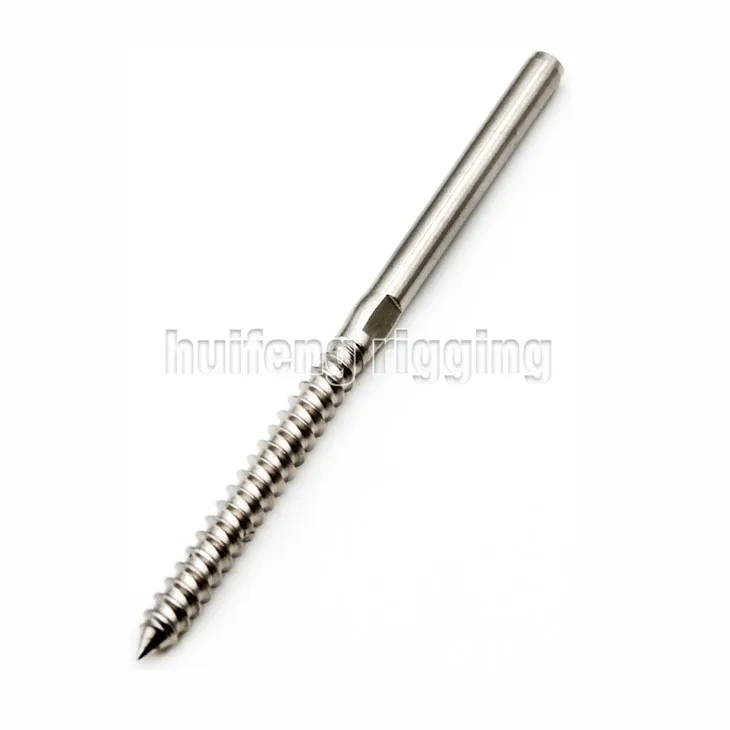
For more specialized applications, our Swage Stud With Dowel Screw offers a unique solution. The swage stud provides a secure connection, while the dowel screw ensures a tight fit in the wood, making it ideal for use in furniture assembly and other precision woodworking projects.
Choosing the Right Screw
Choosing the right screw is crucial for the success of any project. When deciding between a wood screw and a machine screw, consider the material you are working with. If you're working with wood, a wood screw is the obvious choice. However, if you're working with metal, plastic, or other hard materials, a machine screw is more appropriate.
Also, consider the load requirements of your project. If you need to support heavy loads, make sure to choose a screw with sufficient strength and appropriate material. For example, in a structural wood project, using high - strength steel wood screws or lag screws is essential.

The environment in which the screw will be used is another important factor. In outdoor or high - humidity environments, corrosion - resistant materials such as stainless steel are recommended.
Conclusion
In conclusion, wood screws and machine screws are two distinct types of fasteners, each with its own unique features, applications, and advantages. As a wood screw supplier, I understand the importance of choosing the right screw for the job. Whether you're a professional woodworker, a DIY enthusiast, or an industrial manufacturer, selecting the appropriate screw can make a significant difference in the quality and durability of your project.
If you're in need of high - quality wood screws for your next project, don't hesitate to reach out to us. We're here to help you find the perfect screw solution for your specific needs. Our team of experts can provide you with detailed product information, technical support, and guidance on choosing the right screw for your application. Contact us today to start your procurement process and experience the difference our wood screws can make.
References
- Machinery's Handbook: A comprehensive reference book on mechanical engineering and manufacturing processes, which provides detailed information on screw design, materials, and applications.
- Woodworking Magazine: A leading publication in the woodworking industry, offering articles and tips on woodworking techniques, including the use of wood screws.
- Fastener Manufacturing and Distributor Association (FMDA) standards: These standards provide guidelines on the manufacturing, testing, and quality control of screws and other fasteners.