

As a tensioner supplier, I understand the importance of warranty policies in providing customers with peace of mind and confidence in their purchases. In this blog post, I will delve into the various aspects of tensioner warranty policies, including what they typically cover, the duration of coverage, and the steps involved in making a warranty claim.
What Do Tensioner Warranty Policies Usually Cover?
Warranty policies for tensioners generally aim to protect customers against defects in materials and workmanship. This means that if a tensioner fails to function properly due to a manufacturing flaw or a problem with the materials used in its construction, the supplier will take responsibility for rectifying the issue.
Defects in Materials
Materials play a crucial role in the performance and durability of tensioners. A warranty will typically cover any issues related to sub - standard materials. For example, if the steel used in the construction of a tensioner has a higher than normal level of impurities, which leads to premature corrosion or breakage, this would be considered a defect in materials. The supplier would then be obligated to either repair or replace the tensioner under the terms of the warranty.
Workmanship Defects
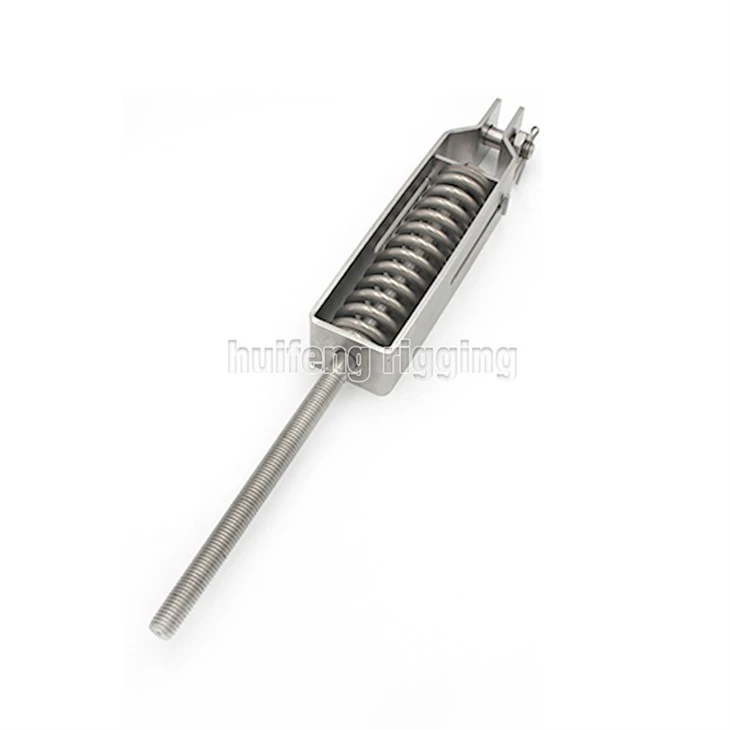
Workmanship refers to the quality of the manufacturing process. If there are errors in the assembly, machining, or finishing of the tensioner, it can affect its performance. For instance, if the threads on a Tensioner With Fork & Threaded Stud are not cut correctly, making it difficult to install or causing it to loosen over time, this is a workmanship defect. Under the warranty, the supplier will address such problems, which may involve re - machining the part or providing a new tensioner altogether.
Duration of Warranty Coverage
The duration of a tensioner warranty can vary significantly depending on the supplier and the type of tensioner. Some suppliers may offer a one - year warranty, while others may extend it to two or even three years. High - end or more specialized tensioners may come with longer warranty periods as a way to demonstrate the manufacturer's confidence in their product.
It's important for customers to understand the length of the warranty and what it means for their investment. A longer warranty period generally indicates a higher level of quality and reliability, as the supplier is willing to stand behind their product for an extended time. However, it's also essential to read the fine print, as some warranties may have limitations or exclusions that could affect the coverage.
Exclusions from Warranty Coverage
While warranty policies cover many aspects of tensioner performance, there are usually some exclusions. These exclusions are designed to protect the supplier from claims that are not related to manufacturing defects.
Normal Wear and Tear
Tensioners are subject to normal wear and tear during their use. Over time, parts may experience friction, abrasion, or fatigue. Warranty policies typically do not cover damage caused by normal wear and tear. For example, if the fork on a Tensioner With Fork & Eye becomes worn down due to repeated use, this would not be covered under the warranty.
Improper Use or Installation
If a tensioner is not used or installed according to the manufacturer's instructions, any resulting damage is usually excluded from the warranty. For instance, if a tensioner is installed in an environment with extreme temperatures or corrosive substances without proper protection, and this leads to damage, the supplier will not be responsible for repairs or replacement.
Unauthorized Modifications
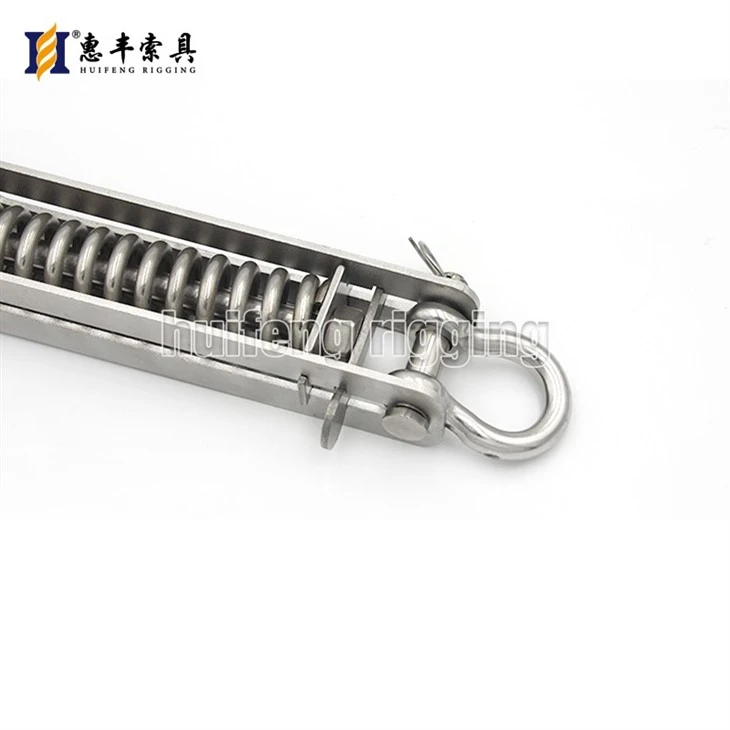
Making unauthorized modifications to a tensioner can void the warranty. Any changes made to the original design or components of the tensioner can affect its performance and safety. If a customer modifies a Tensioner With Bow Shackle in a way that is not approved by the manufacturer, and then experiences problems, the warranty will no longer be valid.
Making a Warranty Claim
If a customer believes that their tensioner is covered by the warranty and is experiencing a problem, they need to follow a specific process to make a claim.
Contacting the Supplier
The first step is to contact the supplier as soon as possible. This can usually be done through the supplier's customer service department. The customer should provide detailed information about the problem, including the model and serial number of the tensioner, the date of purchase, and a description of the issue.
Documentation
The supplier may require documentation to support the claim. This could include the purchase receipt, which proves the date of purchase and the source of the tensioner. The customer may also need to provide photos or videos of the damaged tensioner to help the supplier assess the problem.
Inspection and Evaluation
Once the supplier has received the necessary information, they will typically conduct an inspection and evaluation of the tensioner. This may involve the customer sending the tensioner back to the supplier for a detailed examination. Based on the findings, the supplier will determine whether the problem is covered by the warranty.
Resolution
If the claim is approved, the supplier will take steps to resolve the issue. This may involve repairing the tensioner, replacing it with a new one, or providing a refund. The time it takes to resolve a warranty claim can vary depending on the complexity of the problem and the availability of replacement parts.
Importance of Clear Warranty Policies
Clear and comprehensive warranty policies are beneficial for both the supplier and the customer. For the customer, a well - defined warranty provides a sense of security and assurance that their investment is protected. It also gives them confidence in the quality of the product.
For the supplier, a good warranty policy can enhance their reputation in the market. Customers are more likely to choose a supplier who offers a reliable warranty, as it shows that the supplier stands behind their products. Additionally, a clear warranty policy can help reduce customer complaints and disputes, leading to better customer relationships.
Conclusion
In conclusion, understanding the warranty policies for tensioners is essential for both suppliers and customers. As a tensioner supplier, I am committed to providing high - quality products with clear and fair warranty policies. Our warranties are designed to cover defects in materials and workmanship, while also having reasonable exclusions to protect both parties.
If you are in the market for tensioners, I encourage you to consider our products. We offer a range of tensioners, including Tensioner With Fork & Threaded Stud, Tensioner With Fork & Eye, and Tensioner With Bow Shackle, all backed by our reliable warranty. Contact us today to discuss your requirements and start a procurement negotiation. We look forward to working with you to meet your tensioner needs.
References
- Industry standards and guidelines for tensioner manufacturing
- Previous warranty claims and resolutions within the company